
2026
How a Craft Brewery Gave Every Department an AI Analyst in 7 Weeks
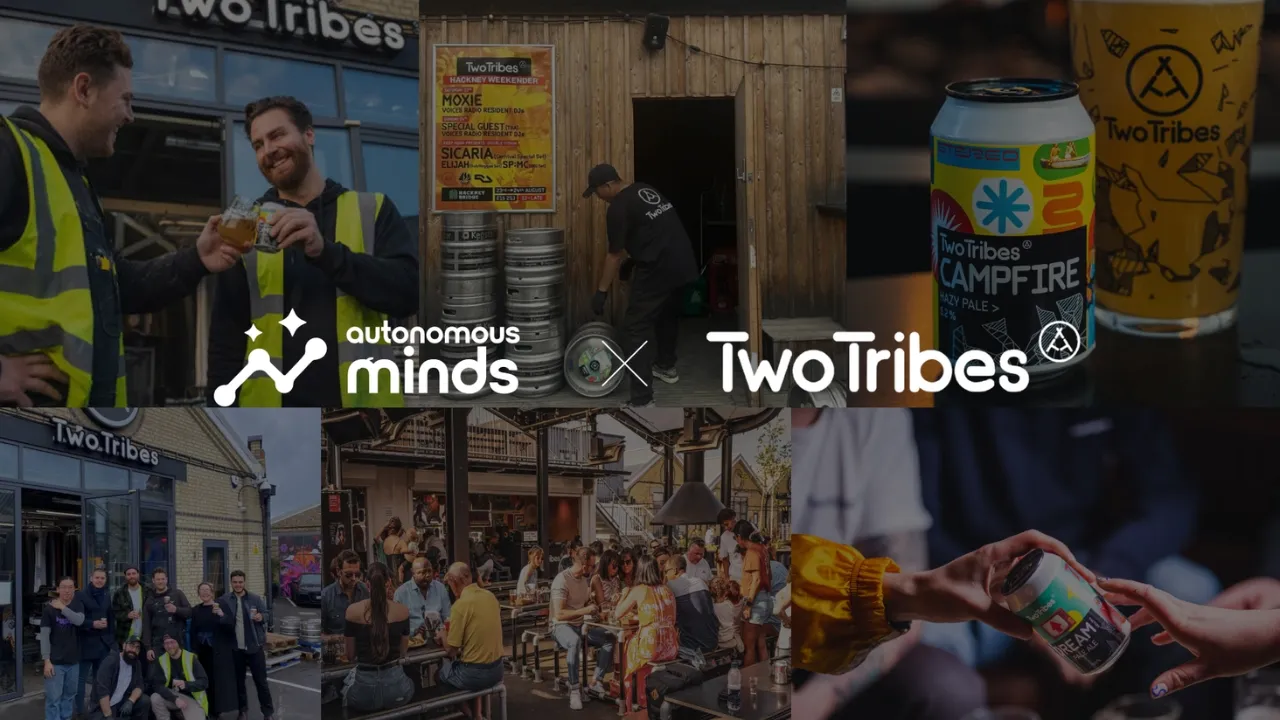
Two Tribes Brewing runs wholesale, retail (Tesco), a taproom, and a distribution arm. They connected all seven operational systems to Milo and within weeks had automated alerts for overdue invoices, new customer wins, and days when the taproom breaks £8k. Every department now has tools that actually fit how they work.

Anubrota Biswas
Growth
Case Study
The Challenge
Two Tribes Brewing is not just a brewery. They are a wholesale distributor selling into pubs and bars through Breww. They are a grocery supplier with products in hundreds of Tesco stores. They run Campfire, a taproom and bar at King's Cross. They operate Design to Drink, a separate distribution entity. And they handle all the back-office that comes with it: HR, payroll, health and safety, accounting, production planning, quality assurance.
Each of those functions had its own system. Breww for orders and customers. Two separate Xero accounts for accounting. Toast for the taproom till. BrightHR for people. Bowimi for CRM and sales rep activity. SharePoint for documents and templates.
The Challenge
The problem was not that any one system was bad. The problem was that nobody could see across all of them without spending hours pulling data out of each one. Sales reps could not easily see which of their customers had overdue invoices. The finance team could not easily compare wholesale revenue against taproom revenue. Production could not easily align brewing schedules with actual sales patterns. The commercial director could not easily assemble a board pack without days of spreadsheet work.
Watch the full video of this case study here:
The Solution
Two Tribes connected all seven systems to Milo over the first two weeks. Then things moved fast. Very fast.
Wholesale Sales. The team built a weekly sales dashboard showing hectolitre volume and net revenue. Current week, month to date, year to date. Top 10 customers by volume. They then added a churn risk dashboard that flags any customer who ordered in 2026 but has gone quiet this month. And a "new business" tracker showing first-time customers, volume, and revenue by sales rep.
Retail (Tesco). They built a dedicated Tesco sales analyser that tracks performance across 831 stores, identifies anomalies in rate of sale, and ranks stores into performance tiers. Sales reps use it to decide which stores to visit.
The Taproom. Campfire at King's Cross got its own dashboards and P&L pulled from Toast. They set up a daily automated alert that fires when revenue exceeds £8k. That one tells the team when a big day happened without anyone checking.
Finance and Debt. The Design to Drink debtors monitor tracks outstanding receivables and aging analysis. An automated alert fires on weekdays when any invoice crosses the 30-day overdue mark. Sales reps see their customers' debt status alongside revenue data in a single view.
Production and QA. Sarah from the production team built a planning dashboard combining actual Breww sales, latest estimates, and contract brewing volumes. Separately, she built a QA dashboard tracking pass rates across PhysChem, sensory, and micro testing by brewery.
Operations. The team built a month-end close tracker (an app that assigns tasks, tracks deadlines against UK business days, and shows progress as a visual dashboard). They built an H&S audit tracker for 54 action items from their May 2026 brewery audit. They built a Friday payables review that pulls outstanding bills from Xero and lets them flag direct debits for exclusion from payment runs.
Sales Reps. Each rep got a personalised account monitor showing their customers' revenue, overdue debt, targets, and churn risk. One sales rep (Megan) cloned the weekly sales dashboard and built her own account book. That happened without anyone telling her to do it.
HR. A live team snapshot from BrightHR showing headcount, who is off today, and the full employee directory.
The fun one. Someone built a World Cup 2026 tracker. Because why not.
Automated Alerts
Four automated alerts run daily or weekly without any human involvement:
New customer wins (fires every weekday at 2pm)
Newly overdue invoices in Design to Drink (weekday mornings)
Dispense equipment volume changes (weekly)
Campfire £8k+ revenue day alerts (daily)
The Adoption
One person started in mid-May. By the end of June, 12 team members were active across sales, finance, production, QA, operations, and HR. Usage went from 48 interactions in May to 566 in June. That is 12x growth in one month.
This was not a top-down rollout. People saw what their colleagues were building and asked for their own version. Sales reps wanted their own account views. Production wanted their own planning tools. Finance wanted their own debt monitors. The platform spread because it gave each person exactly what they needed without waiting in a queue.
The Result
In seven weeks, Two Tribes went from seven disconnected systems and a lot of manual work to:
20 live dashboards covering every department
20 custom apps including month-end close workflows, debtors drill-downs, Tesco store analysis, and payables reviews
4 automated alerts that catch important events without anyone checking
12 active users across the business
338 conversation threads (307 in the last 30 days alone)
A board pack that assembles itself instead of taking days to compile
No data team. No BI consultants. No six-month implementation. Seven systems, twelve people, seven weeks.